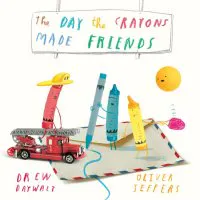
The Day The Crayons Quit
By Drew Daywalt
Duncan’s crayons quit, but can he discover what will make his colourful friends happy again?
Pageticker community rating
Average score: 4.67
From 92 readers
What do our readers think of The Day The Crayons Quit? (Generated from the text of reviews of the book)
Children find the crayons funny and enjoy their different personalities, especially when the book is read aloud with expressive voices. Some children find the many complaints a little long or difficult to follow, but they often enjoy naming the colours and asking to hear the story again.
What does the Pageticker team say about The Day The Crayons Quit?
The Day the Crayons Quit is a funny and imaginative story. When Duncan opens his crayon box, he discovers that his crayons have gone on strike, with each one writing him a letter explaining why they’re unhappy. Each crayon has its own personality and complaint from feeling overworked to being ignored or used in the same way all the time. It's sure to become a favourite read aloud to share with young children.
Genres
What is The Day The Crayons Quit about?
When Duncan opens his crayon box, he finds letters from his crayons, who have all decided to quit! Each crayon has its own complaint, from being overworked to feeling ignored. Now it’s up to Duncan to find a way to make his colourful friends happy again. This playful and imaginative story will have children laughing and thinking about their own crayons in a whole new way.
About the author
Drew Daywalt is an author who loves writing funny and imaginative stories for children. He is best known for his popular book 'The Day the Crayons Quit', which makes readers laugh with its colourful characters. Drew enjoys creating books that spark creativity and help children see the world in new and exciting ways.
Discussion ideas around The Day The Crayons Quit
Different feelings: Which crayon seems most upset, and what clues show how it is feeling?
Fairness and sharing: Which crayon has the strongest complaint? What could Duncan do to make things fairer?
Using colours freely: What would happen if you used unusual colours for the sun, grass or animals?
Speaking up: Why do you think the crayons write letters instead of talking to Duncan face to face?
Seeing another side: Choose one crayon and imagine you are Duncan: how might you answer its letter?
Pages
40 pages
Reading age
Picture Book (2-7)
This edition
2014
First published
2013
Celebrate every book your child reads
Keep track of the books they've read on Pageticker and watch their reading journey grow.
Ready to get started?
Join thousands of readers discovering their next favourite book
You might also like





Other books by Drew Daywalt