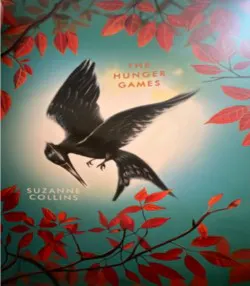
The Hunger Games
By Suzanne Collins
Katniss enters a deadly televised contest, but survival may demand more than fighting.
gripping · intense · thought-provoking
Pageticker community rating
Average 4.76, from 21 readers
What do our readers think of The Hunger Games? (AI-Generated Summary)
Children often find the story exciting and praise Katniss for being brave, clever and determined. Some children feel that the violence is intense, even though they think it gives the story a serious message.
What does the Pageticker team say about The Hunger Games?
The Hunger Games is a gripping, sharply imagined start to Suzanne Collins's Hunger Games trilogy, with a resourceful heroine, a nerve-shredding plot and plenty to say about power, poverty and televised cruelty. Katniss is compelling precisely because she is not trying to be a perfect hero; she is trying to keep her family alive, which makes every choice count. Best suited to confident readers aged around 13 and over, it is thrilling but includes disturbing violence, bereavement and the grim spectacle of children being forced to fight.
Genres
What is The Hunger Games about?
In the dystopian nation of Panem, the Capitol maintains control by forcing each district to send a boy and a girl to participate in the annual Hunger Games (a televised fight to the death.) When sixteen-year-old Katniss Everdeen volunteers to take her sister's place, she enters a brutal arena where survival means confronting both physical challenges and moral dilemmas. With her life on the line, Katniss must navigate alliances, betrayals, and the ever-watchful eyes of the Capitol.
About the author
Suzanne Collins is a talented writer from America, best known for creating the exciting Hunger Games series. Her stories are full of adventure and strong characters who face big challenges. Suzanne loves to inspire young readers with imagination and bravery, making her books popular with children all around the world.
Discussion ideas around The Hunger Games
Courage and sacrifice: What does Katniss's decision to take Prim's place reveal about her, and how does her idea of courage change during the story?
Power and control: How does the Capitol use the Hunger Games, television and public ceremonies to control the districts?
Survival and morality: When survival is at stake, how can someone protect their humanity, and which choices in the arena show this most clearly?
Entertainment and responsibility: Why do people in Panem watch the Hunger Games, and what responsibilities do audiences have when suffering is turned into entertainment?
Inequality: How do differences between the Capitol and the districts shape the characters' lives, and where can you see similar unfairness in the real world?
Pages
396 pages
Reading age
Teen/Young Adult (12-18)
This edition
2011
First published
2008
Celebrate every book your child reads
Keep track of the books they've read on Pageticker and watch their reading journey grow.

Ready to get started?
Join thousands of readers discovering their next favourite book
You might also like




Other books by Suzanne Collins