The Taming of the Shrew (A Shakespeare Story)
By Andrew Matthews and Tony Ross
Can Petruchio’s clever plan win over Padua’s fiercest, sharpest-tongued sister?
engaging · humorous · accessible
Pageticker community rating
Average 4, from 16 readers
What do our readers think of The Taming of the Shrew (A Shakespeare Story)? (AI-Generated Summary)
Children often find this an easy and enjoyable introduction to Shakespeare, especially because the story is short and the illustrations make it lively. Some children find the similar names confusing and feel uncomfortable with the way Katherina is treated and expected to obey.
What does the Pageticker team say about The Taming of the Shrew (A Shakespeare Story)?
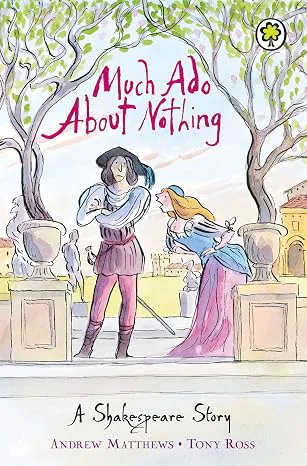
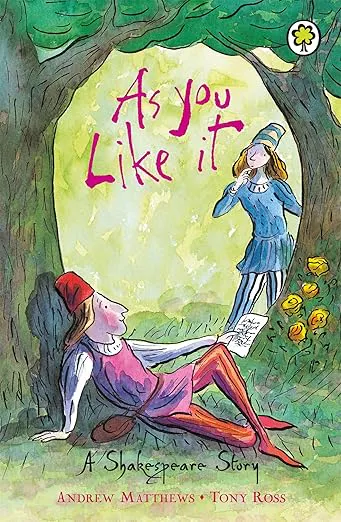
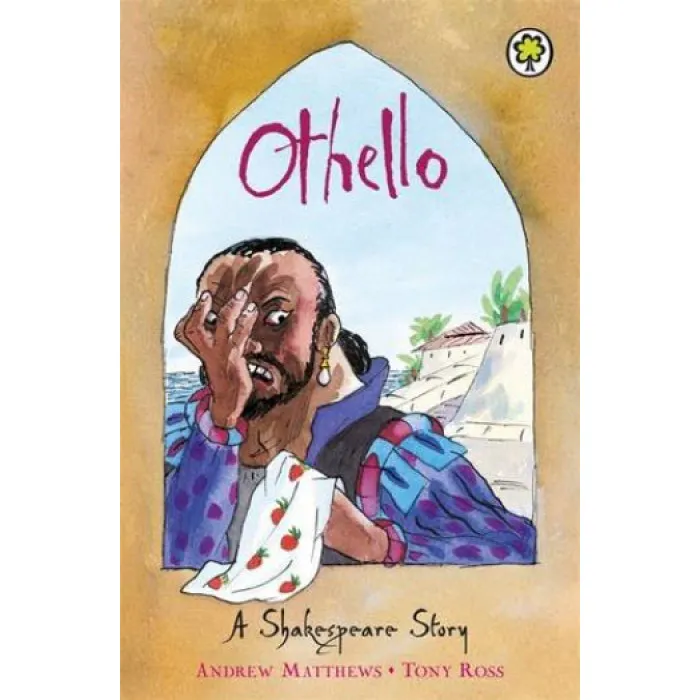
A lively, accessible introduction to Shakespeare, with Andrew Matthews’s clear retelling and Tony Ross’s expressive illustrations bringing the comic mix-ups to life. It suits children who are curious about classic stories and enjoy spirited characters, though one may wish to discuss the old-fashioned ideas about marriage, obedience and the treatment of Katherina.
Genres
What is The Taming of the Shrew (A Shakespeare Story) about?
In Padua, the beautiful Bianca has many suitors, but her father insists she cannot marry until her fiery older sister, Katherina, is wed. Enter Petruchio, a bold man who takes on the challenge of taming Katherina's sharp tongue and temper. Through clever tactics and humour, he seeks to win her heart and hand, leading to a lively and entertaining tale of love and transformation.
About the author
Andrew Matthews is a popular author and illustrator from the UK, well known for retelling classic stories like 'Hamlet' and 'Macbeth' in a fun and easy way for children. He enjoys making reading exciting and accessible for everyone. Andrew’s books help young readers enjoy famous tales from history and literature.
Discussion ideas around The Taming of the Shrew (A Shakespeare Story)
Katherina’s character: What do Katherina’s sharp words and fiery temper tell us about her, and what might be hiding behind them?
Fairness and choices: Which characters make the biggest choices in the story, and do you think those choices are fair to everyone involved?
Love and marriage: How are marriage and courtship shown in the story, and how might these ideas be different today?
Comedy and confusion: Which mix-ups, disguises or arguments make the story entertaining, and why do you think Shakespeare used them?
Changing people: Can someone really change because of another person, or should people be accepted as they are?
Pages
55 pages
Reading age
Early Chapter Book (6-10)
This edition
2010
First published
2009
Celebrate every book your child reads
Keep track of the books they've read on Pageticker and watch their reading journey grow.

Ready to get started?
Join thousands of readers discovering their next favourite book
You might also like


Other books by Andrew Matthews and Tony Ross