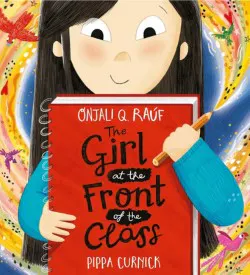
The Boy At The Back Of The Class
By Onjali Q. Raúf
A quiet new boy inspires his classmates to attempt something extraordinary—but can they reunite his family?
Pageticker community rating
Average score: 4.72
From 57 readers
What do our readers think of The Boy At The Back Of The Class? (Generated from the text of reviews of the book)
Children enjoy the friendship, humour and exciting plans, and they say the story helps them understand refugees and the importance of kindness. They also find the book moving and think about its message after the story ends.
What does the Pageticker team say about The Boy At The Back Of The Class?
The Boy At The Back Of The Class is an engaging story about friendship, courage and the difference that kindness can make. Told through a child's perspective, it introduces the experiences of refugees in an accessible way while still recognising the sadness of war, family separation and prejudice.
Genres
What is The Boy At The Back Of The Class about?
When nine-year-old Ahmet, a Syrian refugee, joins Mrs. Khan's class, his new classmates are curious about him. Ahmet is quiet and doesn't smile much, but as they learn about his journey from a war-torn country and his separation from his family, a group of friends devises a plan to reunite him with his loved ones. This heartwarming tale highlights the power of friendship and kindness in the face of adversity.
About the author
Onjali Q. Raúf is a bestselling British author who loves writing stories about friendship, kindness, and hope. She is best known for her popular book 'The Boy at the Back of the Class', which tells the story of a new boy at school. Onjali enjoys inspiring children to read, write, and help others.
Discussion ideas around The Boy At The Back Of The Class
Getting to know Ahmet: How do Ahmet's new classmates move from being curious about him to understanding and supporting him?
The power of kindness: Which acts of kindness make the biggest difference in the story, and why do small actions matter?
Courage and taking action: What gives the children the courage to put their plan into action, and what would you do if you believed something was unfair?
Judging others: How does the book show the danger of making assumptions about people before learning their story?
Refugee experiences: What does the story help you understand about why families may have to leave their homes, and how could a community help them feel welcome?
Pages
312 pages
Reading age
Junior (8-13)
This edition
2018
First published
2018
Celebrate every book your child reads
Keep track of the books they've read on Pageticker and watch their reading journey grow.
Ready to get started?
Join thousands of readers discovering their next favourite book
You might also like







Other books by Onjali Q. Raúf