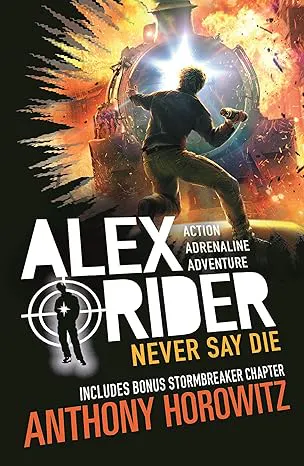
Alex Rider: Point Blanc
By Anthony Horowitz
Alex goes undercover at a posh school—but why are its pupils changing?
Pageticker community rating
Average score: 4.8
From 15 readers
What do our readers think of Alex Rider: Point Blanc? (Generated from the text of reviews of the book)
Children enjoy the exciting action, suspense and adventure, and they find the writing easy to follow. Some children feel that the story has a couple of slower sections, even though they still like the mystery and danger.
What does the Pageticker team say about Alex Rider: Point Blanc?
Another fast-paced, inventive Alex Rider spy thriller with a memorable setting: an isolated school in the French Alps where wealth, power and science take a sinister turn. Alex is resourceful and easy to root for, while the suspense, danger and darker ideas about identity and control make this best suited to confident readers aged around 10–15; parents and carers may wish to note the frightening situations, violence and references to death.
Genres
What is Alex Rider: Point Blanc about?
Teenage spy Alex Rider is sent by MI6 to infiltrate Point Blanc Academy in the French Alps, a school for rebellious sons of the wealthy. Disguised as a student, Alex uncovers a sinister plot involving the academy's director, Dr Grief, who is using cloning technology for nefarious purposes. With time running out, Alex must thwart Grief's plans and escape the treacherous mountain fortress before it's too late.
About the author
Anthony Horowitz is a popular author from England who has written many exciting books for children and young people. He is best known for the Alex Rider series, which follows a teenage spy on thrilling adventures. Anthony loves telling stories full of mystery and action that keep readers on the edge of their seats.
Discussion ideas around Alex Rider: Point Blanc
Courage under pressure: Alex is placed in danger while adults expect him to complete the mission. What makes him brave, and when does his courage become risky?
The perfect student: Point Blanc Academy tries to control how its pupils behave. What does the story suggest about the difference between helping young people and trying to change who they are?
Identity and trust: Alex must hide who he really is, while other characters may not be what they seem. How does this affect the way he decides whom to trust?
Wealth and power: The academy is designed for the children of rich and influential families. What responsibilities should powerful adults have towards young people in their care?
Science and limits: The plot involves cloning technology being used for harmful purposes. What rules should scientists follow when developing powerful new technologies?
Pages
284 pages
Reading age
Older Junior (10-15)
This edition
2020
First published
2001
Celebrate every book your child reads
Keep track of the books they've read on Pageticker and watch their reading journey grow.

Ready to get started?
Join thousands of readers discovering their next favourite book
You might also like




Other books by Anthony Horowitz